

Industry




High Precision Casting Trends
With the rapid development of modern manufacturing, industries such as automotive, aerospace, sanitary hardware, and industrial equipment are demanding higher precision, better surface quality, and more stable production efficiency. As a result, high-precision casting technologies are becoming increasingly important in the global foundry industry.
Advanced casting processes and automated equipment are helping manufacturers produce complex metal components with tighter tolerances and fewer defects.

Does Gravity Casting Cause Inclusion?
In metal casting, inclusions refer to unwanted impurities trapped inside the casting during the solidification process.
These impurities may include:
- Slag particles
- Oxides
- Sand residues
- Non-metallic impurities
Inclusions can significantly affect the mechanical strength, surface quality, and reliability of cast components.

Pressure Control in LPDC
Low Pressure Die Casting (LPDC) is an advanced casting process in which molten metal is pushed into a mold using controlled low pressure gas.
Unlike traditional gravity casting, LPDC relies heavily on precise pressure control to regulate the metal flow and filling speed.
Proper pressure control is essential because it directly influences:
- Metal filling stability
- Casting density
- Surface quality
- Defect formation

Water Meter Casting Process
Water meters are widely used in residential, commercial, and industrial water supply systems. The water meter body is a key structural component that requires high strength, corrosion resistance, and dimensional accuracy.
Most water meter bodies are made from brass, which offers excellent corrosion resistance and durability in water environments. Modern foundries use advanced casting technologies to manufacture these components efficiently.

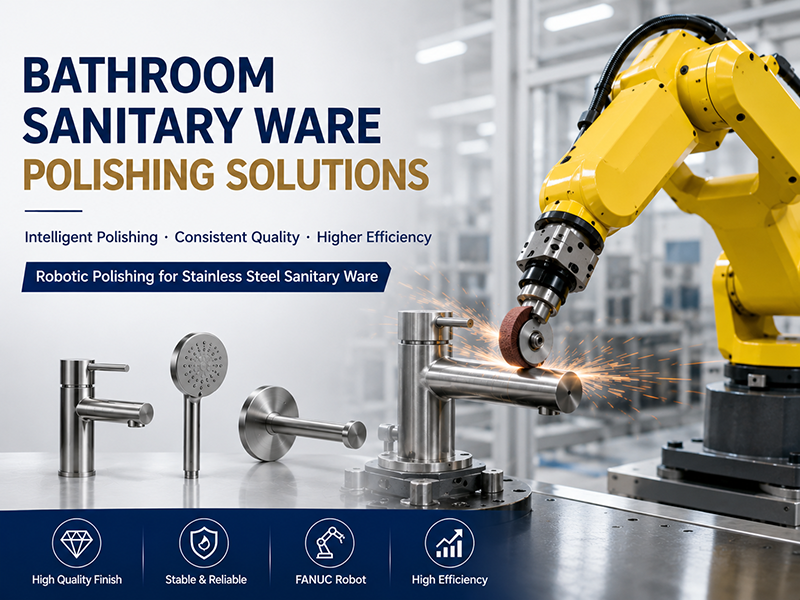
Is Stainless Steel the Next Mainstream Material for Faucets?
Over the past few years, I’ve observed a notable shift in our industry.
Increasingly, partners are inquiring about stainless steel faucets and bathroom products. While stainless steel has long been the standard in commercial kitchens and specialized environments, it’s now becoming a recurring topic across a much wider range of product conversations.